There are some topics that, when you start writing about them, make you believe in every word. While researching this one, I was truly shocked how could something like this even be possible? I’ve read a lot about Punarjanm (reincarnation), but most of those were just written accounts, with no solid proof to back them. But after reading the story of Shanti Devi’s Punarjanm, I can now confidently say there is an afterlife, and Punarjanm is real.
The story of Shanti Devi is truly interesting and one of the most well-recorded cases. For many years, her story caught the attention of political leaders, freedom fighters (including Mahatma Gandhi), and many researchers.
Early Years of Shanti Devi
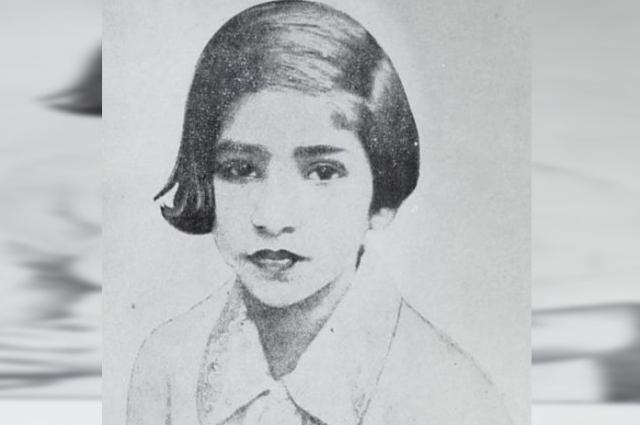
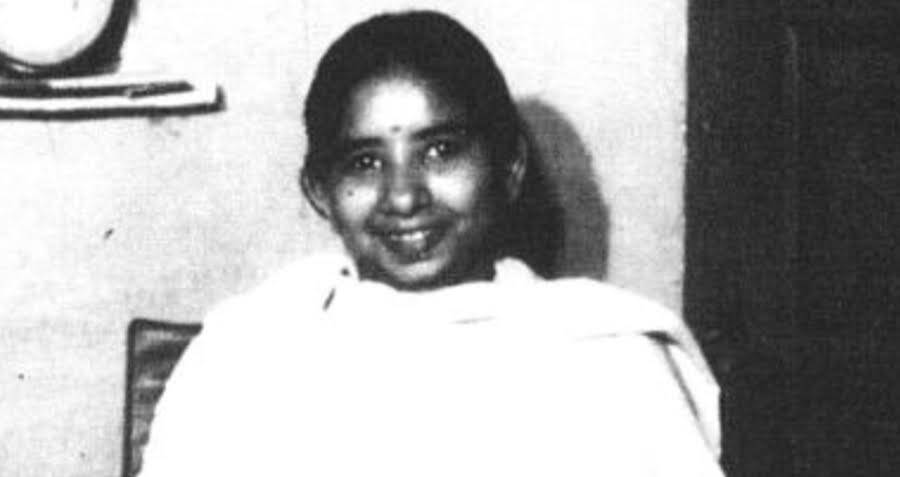
Shanti Devi was born in Delhi, in an area called Chirawala Mohalla, on December 11, 1926. Like other children, she started speaking before the age of 3 or 4. But there was something strange about her.
As soon as she started speaking clearly, she said, “These are not my real mother and father,” and “This is not my home.” Suddenly, she began to remember everything about her past life.
But after hearing all this, her mother and father got very worried. They started telling her that nothing like this was true. But Shanti Devi’s mind was thinking something else. When she was just 6 years old, she even tried to run away from home to go to Mathura. But because she was so young, she couldn’t go far. Later, she told her parents that she was from a place called Muttra (now known as Mathura), and her real name was Lugdi Devi.
She even shared some details about her past life like what her family was like and who her husband was. She said her husband was a fair-skinned man who wore glasses and had a wart on his left cheek. She also talked about how she died during childbirth in her previous life.
Shanti Devi’s Past Life Started Making Sense at Age 9
At first, Shanti Devi didn’t reveal everything, but slowly, more and more details started coming out clearly. Her parents didn’t take her words very seriously in the beginning after all, who would believe a 6 year old child talking about a past life?
But things started to get serious when she turned 9. Even at that age, she kept talking about her past life and the family she once had. When she was 9, her school headmaster decided to interview her. During the interview, she described a village in Mathura in great detail. The headmaster was curious and began searching for such a place.
One day, something surprising happened he found a man who matched Shanti’s description. His name was Kedar Nath Chaubey, and his wife Lugdi Devi had died 9 years ago while giving birth to a child!
Meeting Family Members of Past Life
After that, the headmaster decided that something more needed to be done, because the information Shanti Devi had shared was turning out to be true. So, he contacted Pandit Kanjimal, a relative of Shanti Devi’s past-life husband Kedar Nath, and shared everything with him.
When Pandit Kanjimal heard the whole story, he was shocked. But deep down, he knew it was true and couldn’t be denied. So, based on what he had heard, he arranged a meeting between Shanti Devi and Kedar Nath.
Meeting with Kedar Nath
When Kedar Nath heard about all this, he also found it strange. But he wanted to find out whether it was true or just someone playing a bad joke on him. So, he went to meet Shanti Devi along with his third wife and his son Navneet Lal.
However, he didn’t reveal his real identity at first. He pretended to be Kedar Nath’s elder brother. But as soon as they arrived, Shanti Devi immediately recognized Kedar Nath and also identified her son from her past life.
After seeing them, Shanti Devi started crying loudly and began mourning. She told her parents, “Look, he is exactly the way I described.” Seeing all this, Kedar Nath was also shocked, but at the same time, he noticed many similarities between Shanti Devi and his late wife Lugdi Devi in the way they behaved and spoke.
Investigations
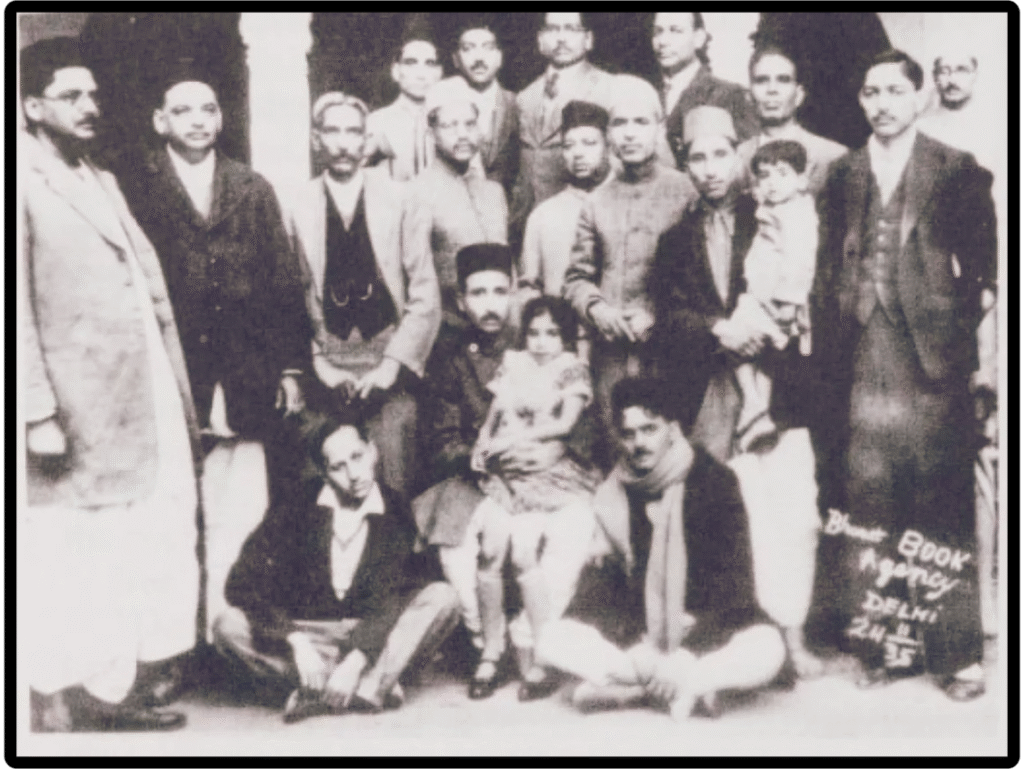
Soon, the news of Shanti Devi being the reincarnation of Lugdi Devi spread like wildfire across the country. The story caught national attention and eventually reached Mahatma Gandhi himself. Curious and concerned, he formed a special committee in 1936 to investigate the truth behind her claims. He even met Shanti Devi in person and reportedly said, “I cannot but regard her present state as the result of a series of reincarnations.”
The committee made up of respected lawyers, parliament members, and national leaders traveled with Shanti Devi to Mathura in November 1935. Throughout the trip, she was carefully observed. She recognized many people from her past life and confidently answered every question asked.
In the end, the committee came to a remarkable conclusion Shanti Devi truly was Lugdi Devi in her past life.
In February 1936, another researcher named Bal Chand Nahata interviewed Shanti Devi and came to a different conclusion. In his book Punarjanma Ki Paryyalochana, he wrote: “Based on the information we have, we cannot say for sure that Shanti Devi had memories of a past life or that this case proves reincarnation.”
The mysterious case of Shanti Devi has been studied by many researchers and scholars from around the world. They have tried to find logical and scientific explanations for how she knew so much about Lugdi Devi’s life. Still, her story continues to be a topic of interest and wonder for many people.
Interpretations and Different Views
For those who believe in Punarjanm (reincarnation), Shanti Devi’s story is seen as one of the strongest examples supporting the idea of rebirth. At that time, the case was strongly promoted by members of the Arya Samaj, who used it to support the belief that Hinduism’s spiritual ideas, like reincarnation, were deeper and more meaningful than those of Abrahamic religions.
However, skeptics have a different view. They believe there could be psychological explanations, like Shanti Devi picking up information unknowingly (called subconscious learning), or that the story might have been built over time as she kept repeating it.
One well-known researcher in this field was Dr. Ian Stevenson, a psychiatrist who studied many children who claimed to remember past lives. He personally interviewed Shanti Devi, her father, and others involved in the case—including Kedarnath, the man she claimed was her husband in her previous life. According to his research, Shanti Devi made at least 24 specific statements about her past life that matched real, verified facts.
Conclusion
The story of Shanti Devi continues to be one of the most mysterious and fascinating cases in the study of Punarjanm (reincarnation). While some see it as undeniable proof of life after death, others believe there could be psychological or social reasons behind her memories. Whether one chooses to believe or question it, there’s no denying that Shanti Devi’s case has sparked deep discussions about faith, science, memory, and the soul.
Even after so many years, her story remains alive making us wonder: Is death truly the end, or just a new beginning?